
Sell development land in Greater London
Owners of development land in Greater London can sell directly to us, whether the land is near Islington, Westminster and Bexley or in the villages between.
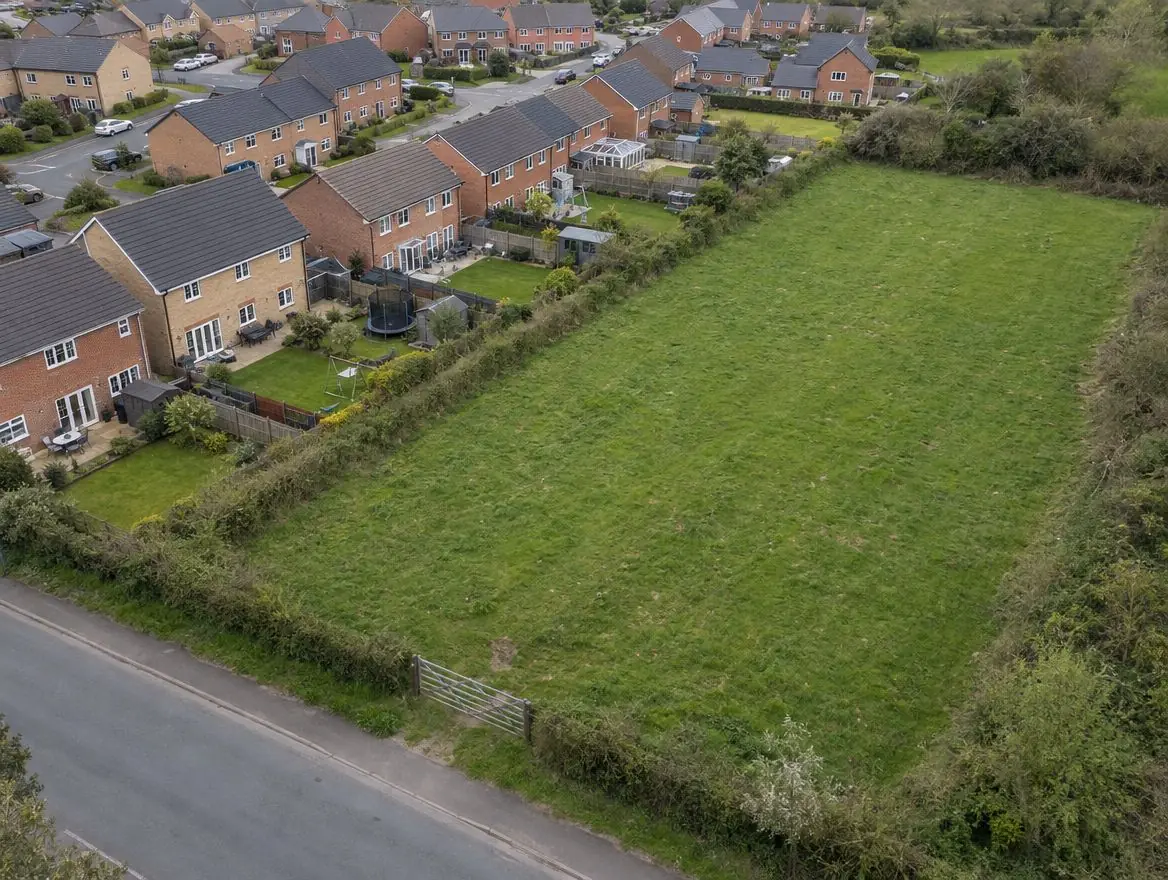
Most development land starts life as an ordinary field. What makes it valuable is where it sits: next to existing homes, close to a road, inside or near a settlement boundary. We assess those things first and give you a straight answer.
- Free appraisal and written offer
- Figures explained, so you can check them
- No pressure to decide
Get an offer for land in Greater London
Send the postcode and a rough size.
Development land in Greater London at a glance
Land is scarce and mostly brownfield. The outer boroughs contain Metropolitan Green Belt and metropolitan open land, both closely protected.
| County | Greater London |
|---|---|
| Country | England |
| Towns we cover here | 81 |
| Main town | central London |
| Example postcode districts | BR3, CR0, CR4, CR5, CR8 |
| Planning system | National Planning Policy Framework and local plan |
Land we're keen to see in Greater London
- Land that adjoins an existing town, village or housing estate
- Sites from around a quarter of an acre upwards
- Land outside the highest-risk flood zones, or where flood risk can be designed out
- Mains water, drainage and electricity nearby
- Land with a planning history we can build on, even if earlier applications were refused
Selling development land well depends on matching the deal to the planning position. With permission in place, an outright sale is usually simplest. Without it, a conditional contract or option can share the planning risk fairly.
How we arrive at a figure for land in Greater London
Access
A frontage onto an adopted road removes cost and uncertainty; a third party controlling access can cut value sharply.
Planning obligations
Affordable housing, Section 106 contributions and, in some areas, CIL reduce what a buyer can pay for the land.
Local sale values
The price new homes will sell for nearby sets the ceiling on what the land is worth.
Ecology and trees
Protected species, ancient hedgerows and tree preservation orders can reduce the developable area.
Choosing how to sell
Selling development land well depends on matching the deal to the planning position. With permission in place, an outright sale is usually simplest. Without it, a conditional contract or option can share the planning risk fairly.
Outright purchase
Best where permission is already granted and the title is clean.
Subject-to-planning sale
Lets you lock in a price now that is paid once we secure permission.
Option agreements
Suits larger fields where the planning route may take several years.
Joint ventures
Worth discussing if you want a share of the finished development value.
How a sale works
Tell us about your land
Send the postcode or address and a rough size.
We check it properly
Title, planning history, access, flood maps and local policy.
We put an offer in writing
It shows how we got there. There's no obligation to accept.
Solicitors complete the sale
Exchange and complete, or exchange now and complete when planning is granted.
What England's rules mean for your land
Planning framework
Planning decisions in England follow the National Planning Policy Framework, revised in August 2026, and the local plan, prepared by the council or, in a national park, the park authority. Plans are reviewed periodically, which is when new housing sites are usually allocated.
Green belt and grey belt
Green belt land is protected from inappropriate development. National policy in England also recognises 'grey belt': green belt land that doesn't strongly contribute to key green belt purposes, where housing can be acceptable if further tests are met.
Biodiversity net gain
Under the Environment Act 2021, most developments in England must deliver at least a 10% gain in biodiversity. Since 6 August 2026, sites of 0.2 hectares or less are exempt unless priority habitat is affected.
Section 106 and CIL
Larger schemes often need a Section 106 agreement for affordable housing or contributions, and councils that have adopted the Community Infrastructure Levy charge it per square metre of new floorspace.
When the land isn't straightforward
The access is over someone else's land
We check the title for rights of way and, where needed, factor in the cost of buying or negotiating access.
Part of the field floods
We map the flood zones and look at whether homes can sit on the drier part, with the rest used as open space.
Useful to send us
- A rough size, in acres or hectares
- Your title number, if you know it
- Details of any tenants or grazing agreements
- How soon you'd ideally like to sell
Common questions
Do you buy development land without planning permission?
Yes. Without permission we usually buy on a subject-to-planning contract or an option, so the price reflects value with permission rather than farmland value. If you need a quick, unconditional sale, we can also make an outright offer that reflects the planning risk.
Will I pay any fees to you?
No. We are the buyer, not an agent, so there is no commission. You will normally pay your own solicitor unless we agree otherwise in writing.
How long does it take to sell development land?
With permission and clean title, a sale can move as fast as the solicitors can complete the legal work. Without permission, timing depends on the planning process, which commonly takes many months and sometimes years for larger sites.
Do you buy land in Greater London?
Yes. We consider land across Greater London, from central London to the smaller towns and villages. Whether we can make an offer depends on the land itself, and we'll tell you either way.
Development land by town in Greater London
- Islington
- Westminster
- Bexley
- Barking
- Archway
- Sutton
- Croydon
- Ilford
- Enfield Town
- Harrow
- Tottenham
- Walthamstow
- Dagenham
- Becontree
- Romford
- Hayes
- Wembley
- Fulham
- Edmonton
- Southall
- Putney
- Battersea
- Canary Wharf
- Purley
- Peckham
- Chingford
- Uxbridge
- Wimbledon
- Stamford Hill
- Brixton
- Hounslow
- Finchley
- Cricklewood
- Mitcham
- Feltham
- Acton
- Beckenham
- Chelsea
- Streatham
- South Croydon
- Leytonstone
- Eltham
- Morden
- Carshalton
- Catford
- Willesden
- Canning Town
- Holloway
- Welling
- Shepherds Bush
- Surbiton
- Greenford
- Heston
- Stratford
- Chiswick
- Thamesmead
- Ruislip
- Greenwich
- Barnet
- Kilburn
- Wood Green
- Muswell Hill
- Bow
- Highbury
- Camden Town
- Northolt
- Coulsdon
- Hornchurch
- Blackheath
- Isleworth
- Chalk Farm
- New Malden
- Hanworth
- Woodford Green
- Hadley Wood
- Richmond
- Barnes
- Notting Hill
- Wallington
- Pimlico
- Hampton
Find out what we'd pay for your land in Greater London
Send the postcode and a rough size and we'll come back with a straight answer.