
Sell a small development site
A small site is a piece of land that could take a handful of homes, typically up to around nine. National housebuilders often overlook small sites, which is where a regional builder buying direct can offer a better route to sale.
Small sites are a focus for us. They're too small for many national housebuilders, and too complicated for many self-builders, which can leave owners without an obvious buyer.
- Free appraisal and written offer
- Figures explained, so you can check them
- No pressure to decide
Get an offer for your land
Send the postcode and a rough size. We'll come back with a straight answer.
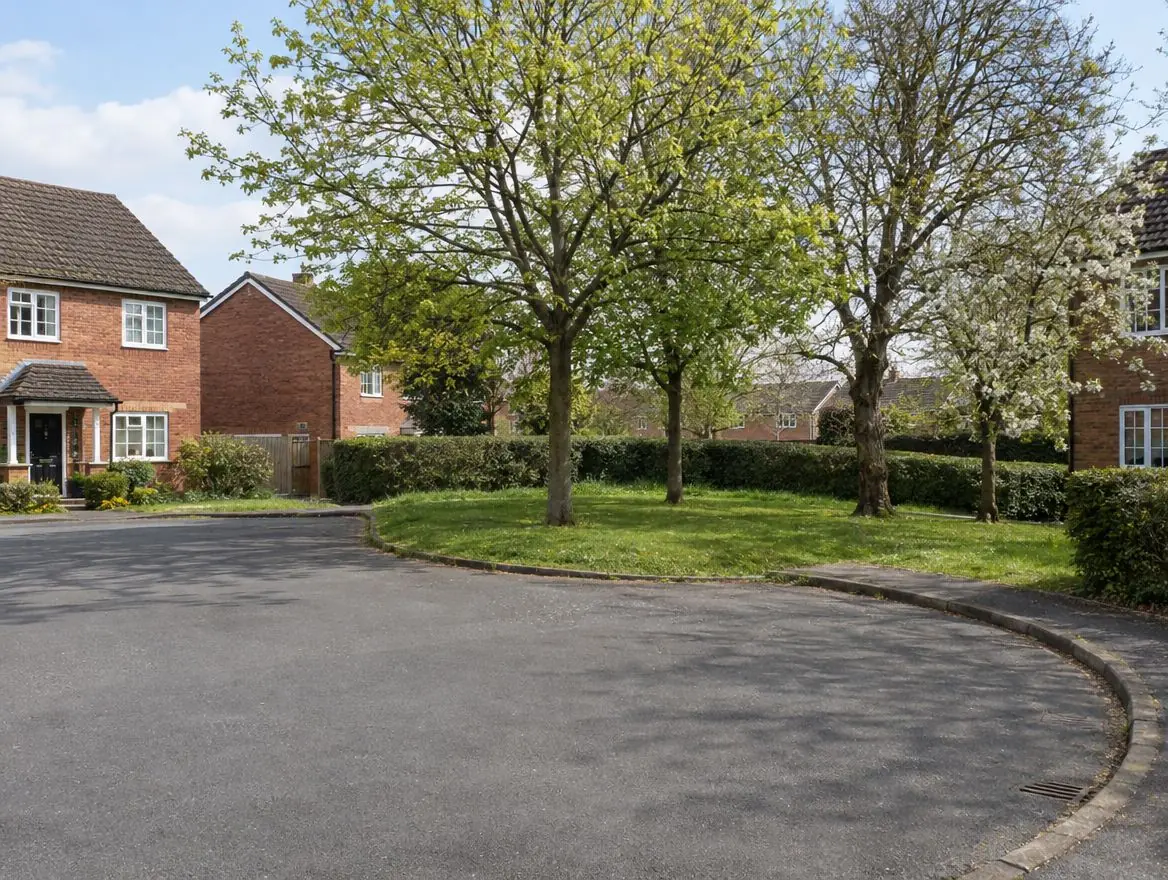
What we look for
- Sites for two to around nine homes
- Corner plots, odd-shaped parcels and leftover land
- Land at the end of cul-de-sacs
- Old yards, depots and lock-up sites
- Sites with an existing permission for a small scheme
- Land within a settlement boundary
- Small sites in villages where policy supports limited growth
A corner of land, an old yard or a large garden can make a small site for a few homes. We buy them, and our aim is to take them through planning to new homes.
What affects the price of small development sites
Number of homes
Each additional home a site can take adds value, if the layout works.
Affordable housing thresholds
In England, schemes under ten homes usually fall below the national threshold; many Welsh plans seek affordable housing from smaller sites.
Access
A short private drive can serve a few homes; more need an adoptable road.
Trees and boundaries
Mature trees and hedges on small sites have a big effect on layout.
Drainage
Sustainable drainage must fit within the site.
Biodiversity net gain
Since 6 August 2026, sites of 0.2 hectares or less are exempt unless priority habitat is affected; larger sites must still deliver at least a 10% gain.
Build costs
Small sites cost more per home to build, which the land price reflects.
Ways to sell small development sites
Government policy has repeatedly emphasised the role of small sites in housing supply. We'll check how your council's plan supports them.
When the land isn't straightforward
The site is an awkward shape
Odd shapes often still work for a short terrace or a pair of homes. We test layouts before offering.
There's a protected tree
We design around it and allow for root protection areas.
The access is tight
We check whether it can serve the number of homes proposed.
What happens next
Tell us about your land
Send the address or postcode, a rough size and anything you know about planning. A plan or a photo helps but isn't essential.
We check it properly
We look at the title, planning history, access, flood maps and local policy, then call you to talk it through.
You get a written offer
We put the offer in writing with the main figures behind it, so you or your adviser can check it. There's no obligation and no deadline we impose.
Solicitors do the legal work
Your solicitor and ours deal with the contract. On an outright sale we exchange and complete; on a conditional deal we exchange now and complete when the condition is met.
England and Wales: what's different
We buy land in both countries. These are the rules most likely to affect small development sites.
England
Planning framework
Planning decisions in England follow the National Planning Policy Framework, revised in August 2026, and the local plan, prepared by the council or, in a national park, the park authority. Plans are reviewed periodically, which is when new housing sites are usually allocated.
Biodiversity net gain
Under the Environment Act 2021, most developments in England must deliver at least a 10% gain in biodiversity. Since 6 August 2026, sites of 0.2 hectares or less are exempt unless priority habitat is affected.
Section 106 and CIL
Larger schemes often need a Section 106 agreement for affordable housing or contributions, and councils that have adopted the Community Infrastructure Levy charge it per square metre of new floorspace.
Wales
Planning framework
Planning in Wales follows Planning Policy Wales, the national plan Future Wales and the Local Development Plan, prepared by the council or, in a national park, the park authority. When plans are reviewed, landowners can put land forward as a candidate site.
Biodiversity
Wales doesn't use England's 10% net gain metric. Planning Policy Wales expects development to deliver a net benefit for biodiversity.
Section 106 and CIL
Section 106 agreements apply in Wales, and a small number of Welsh councils charge the Community Infrastructure Levy.
Questions about small development sites
What is a small site?
Usually a site for fewer than ten homes. Definitions vary, but these are the sites larger builders often pass over.
Do small sites need affordable housing?
In England, national policy generally doesn't seek affordable housing on schemes below ten homes, though some rural areas set lower thresholds. In Wales, many Local Development Plans seek contributions from smaller sites. We check the local policy.
Will you buy a site that needs demolition?
Yes. We price in demolition and any contamination clean-up.
How do you value a small site?
We work out what the homes would sell for, then deduct build costs, fees, finance, planning costs and a profit margin. What's left is the land value.
Will you build the homes yourselves?
That's the aim of the land-to-homes work we're setting out to do: buying the land, getting permission and building the homes.
Can I see your appraisal?
We'll explain the main figures behind our offer so you can compare it with independent advice.
Related guides
Small sites by county
England
- Bedfordshire
- Berkshire
- Bristol
- Buckinghamshire
- Cambridgeshire
- Cheshire
- Cornwall
- Cumbria
- Derbyshire
- Devon
- Dorset
- County Durham
- East Riding of Yorkshire
- East Sussex
- Essex
- Gloucestershire
- Greater London
- Greater Manchester
- Hampshire
- Herefordshire
- Hertfordshire
- Isle of Wight
- Kent
- Lancashire
- Leicestershire
- Lincolnshire
- Merseyside
- Norfolk
- North Yorkshire
- Northamptonshire
- Northumberland
- Nottinghamshire
- Oxfordshire
- Rutland
- Shropshire
- Somerset
- South Yorkshire
- Staffordshire
- Suffolk
- Surrey
- Tyne and Wear
- Warwickshire
- West Midlands
- West Sussex
- West Yorkshire
- Wiltshire
- Worcestershire
Wales
Find out what we'd pay for your land
Send us the postcode and a rough size. We'll check the title and planning position and come back with a straight answer.