
Sell your land subject to planning
A subject-to-planning sale, or conditional contract, is a sale where contracts are exchanged now but completion only happens once an acceptable planning permission is granted. It lets you agree a price based on the land's value with permission, while the buyer pays for and manages the application.
A conditional contract shares the planning risk fairly. You agree a price today, we fund and run the planning application, and the sale completes if permission comes through.
- Free appraisal and written offer
- Figures explained, so you can check them
- No pressure to decide
Get an offer for your land
Send the postcode and a rough size. We'll come back with a straight answer.
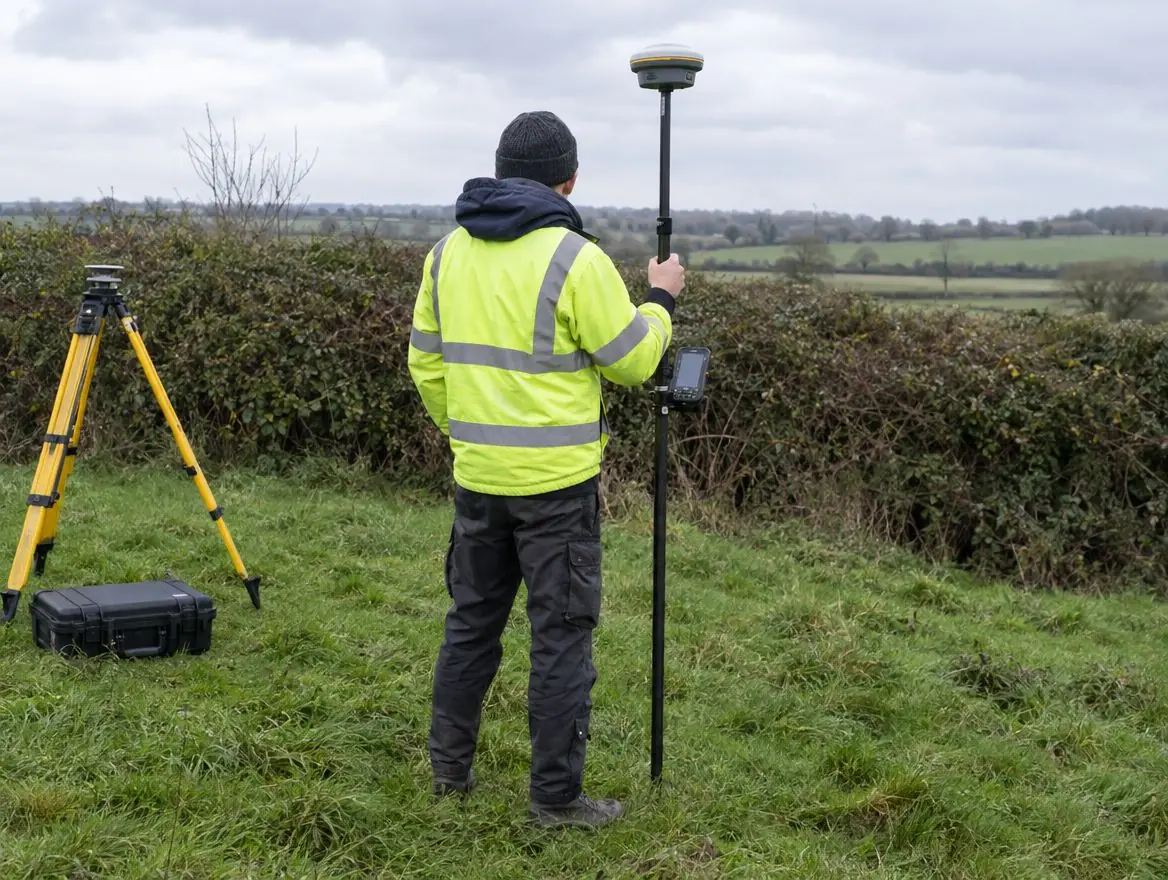
Land this route suits
- Building plots and garden land without permission
- Small sites with a clear planning case
- Land where a previous permission has lapsed
- Brownfield sites needing a housing permission
- Owners willing to wait for a higher price
- Land with a registered title
- Sites where the planning period can be agreed in advance
If your land has a good chance of permission but doesn't have it yet, a subject-to-planning deal usually achieves more than an outright sale.
How a subject-to-planning sale compares
This route suits most building plots, garden land and small sites, where the planning process can be measured in months rather than years.
| Feature | Outright purchase | Subject-to-planning sale | Option agreements | Joint ventures |
|---|---|---|---|---|
| When you're paid | On completion | On completion, after permission is granted | Option fee now, price when the option is exercised | Over time, as homes are built and sold |
| Certainty | High once contracts are exchanged | Medium: depends on planning | Lower: depends on planning over time | Lowest: you share in sales risk |
| Price | Lower than a conditional deal, reflecting the risk we take | Usually higher than an outright sale | Based on market value with permission, less agreed deductions | A share of the development value, if the scheme succeeds |
| Planning costs | Ours, after completion | Ours | Ours, sometimes recoverable from the price | Shared or ours, as agreed |
| Timescale | Set mainly by the legal work | Planning period, often months | Often several years | The longest route |
| Best for | Consented land, estates, owners who want certainty | Plots, garden land and small sites | Larger and strategic sites | Owners who want to share in development value |
The terms that matter
Price basis
The price is set against the land's value with permission, so it's usually higher than an unconditional offer.
Long-stop date
If permission isn't granted by an agreed date, either side can end the contract.
Acceptable permission
The contract defines what counts as an acceptable consent.
Appeals
Contracts say whether we can appeal a refusal and how long that adds.
Deposit
A deposit is usually paid on exchange and held until completion.
Price adjustments
Some contracts adjust the price for the number of homes approved.
Your use meanwhile
You normally keep using the land until completion.
When the land isn't straightforward
You're worried about being tied up indefinitely
A long-stop date sets the maximum time. If permission isn't granted by then, you're free.
You want to know what 'acceptable' permission means
The contract defines it, such as a minimum number of homes. Your solicitor should check it carefully.
You're worried we'll get permission for something you don't like
The contract can set out the scheme or limits on what we apply for.
What happens next
Tell us about your land
Send the address or postcode, a rough size and anything you know about planning. A plan or a photo helps but isn't essential.
We check it properly
We look at the title, planning history, access, flood maps and local policy, then call you to talk it through.
You get a written offer
We put the offer in writing with the main figures behind it, so you or your adviser can check it. There's no obligation and no deadline we impose.
Solicitors do the legal work
Your solicitor and ours deal with the contract. On an outright sale we exchange and complete; on a conditional deal we exchange now and complete when the condition is met.
England and Wales: what's different
We buy land in both countries. These are the rules most likely to affect a subject-to-planning sale.
England
Planning framework
Planning decisions in England follow the National Planning Policy Framework, revised in August 2026, and the local plan, prepared by the council or, in a national park, the park authority. Plans are reviewed periodically, which is when new housing sites are usually allocated.
Section 106 and CIL
Larger schemes often need a Section 106 agreement for affordable housing or contributions, and councils that have adopted the Community Infrastructure Levy charge it per square metre of new floorspace.
Wales
Planning framework
Planning in Wales follows Planning Policy Wales, the national plan Future Wales and the Local Development Plan, prepared by the council or, in a national park, the park authority. When plans are reviewed, landowners can put land forward as a candidate site.
Section 106 and CIL
Section 106 agreements apply in Wales, and a small number of Welsh councils charge the Community Infrastructure Levy.
Questions about a subject-to-planning sale
What is a subject-to-planning sale?
A sale where contracts are exchanged now, but completion depends on planning permission being granted. If it isn't granted by the long-stop date, the contract can end.
Who pays for the planning application?
We do, along with the surveys and consultants needed to support it.
What happens if planning is refused?
We may appeal if the contract allows. If permission isn't secured by the long-stop date, the contract ends and you keep your land.
Can I still use the land before completion?
Usually yes, until we need access for surveys or until completion.
Do I get a deposit?
A deposit is usually paid on exchange, with terms set out in the contract.
How long does the planning stage take?
In England the statutory period is eight weeks for most applications and thirteen for major ones; in Wales it's eight weeks. Both extend to sixteen weeks where an environmental impact assessment is needed, and surveys, validation and negotiation often add time.
Related guides
Subject-to-planning sale by county
England
- Bedfordshire
- Berkshire
- Bristol
- Buckinghamshire
- Cambridgeshire
- Cheshire
- Cornwall
- Cumbria
- Derbyshire
- Devon
- Dorset
- County Durham
- East Riding of Yorkshire
- East Sussex
- Essex
- Gloucestershire
- Greater London
- Greater Manchester
- Hampshire
- Herefordshire
- Hertfordshire
- Isle of Wight
- Kent
- Lancashire
- Leicestershire
- Lincolnshire
- Merseyside
- Norfolk
- North Yorkshire
- Northamptonshire
- Northumberland
- Nottinghamshire
- Oxfordshire
- Rutland
- Shropshire
- Somerset
- South Yorkshire
- Staffordshire
- Suffolk
- Surrey
- Tyne and Wear
- Warwickshire
- West Midlands
- West Sussex
- West Yorkshire
- Wiltshire
- Worcestershire
Wales
Find out what we'd pay for your land
Send us the postcode and a rough size. We'll check the title and planning position and come back with a straight answer.