
Four ways to sell your land
You can sell land to us outright, on a subject-to-planning contract, through an option agreement or in a joint venture. Outright sales give the most certainty; the other routes usually pay more but depend on planning permission and take longer.
There's no single best route. It depends on your land's planning prospects, how soon you want to be paid and how much risk you're comfortable sharing.
Which route suits your land?
Tell us about it and we'll suggest the options that fit.
Side by side
| Feature | Outright purchase | Subject-to-planning sale | Option agreements | Joint ventures |
|---|---|---|---|---|
| When you're paid | On completion | On completion, after permission is granted | Option fee now, price when the option is exercised | Over time, as homes are built and sold |
| Certainty | High once contracts are exchanged | Medium: depends on planning | Lower: depends on planning over time | Lowest: you share in sales risk |
| Price | Lower than a conditional deal, reflecting the risk we take | Usually higher than an outright sale | Based on market value with permission, less agreed deductions | A share of the development value, if the scheme succeeds |
| Planning costs | Ours, after completion | Ours | Ours, sometimes recoverable from the price | Shared or ours, as agreed |
| Timescale | Set mainly by the legal work | Planning period, often months | Often several years | The longest route |
| Best for | Consented land, estates, owners who want certainty | Plots, garden land and small sites | Larger and strategic sites | Owners who want to share in development value |

Outright purchase
A straight sale at an agreed price, with no planning condition.
How it works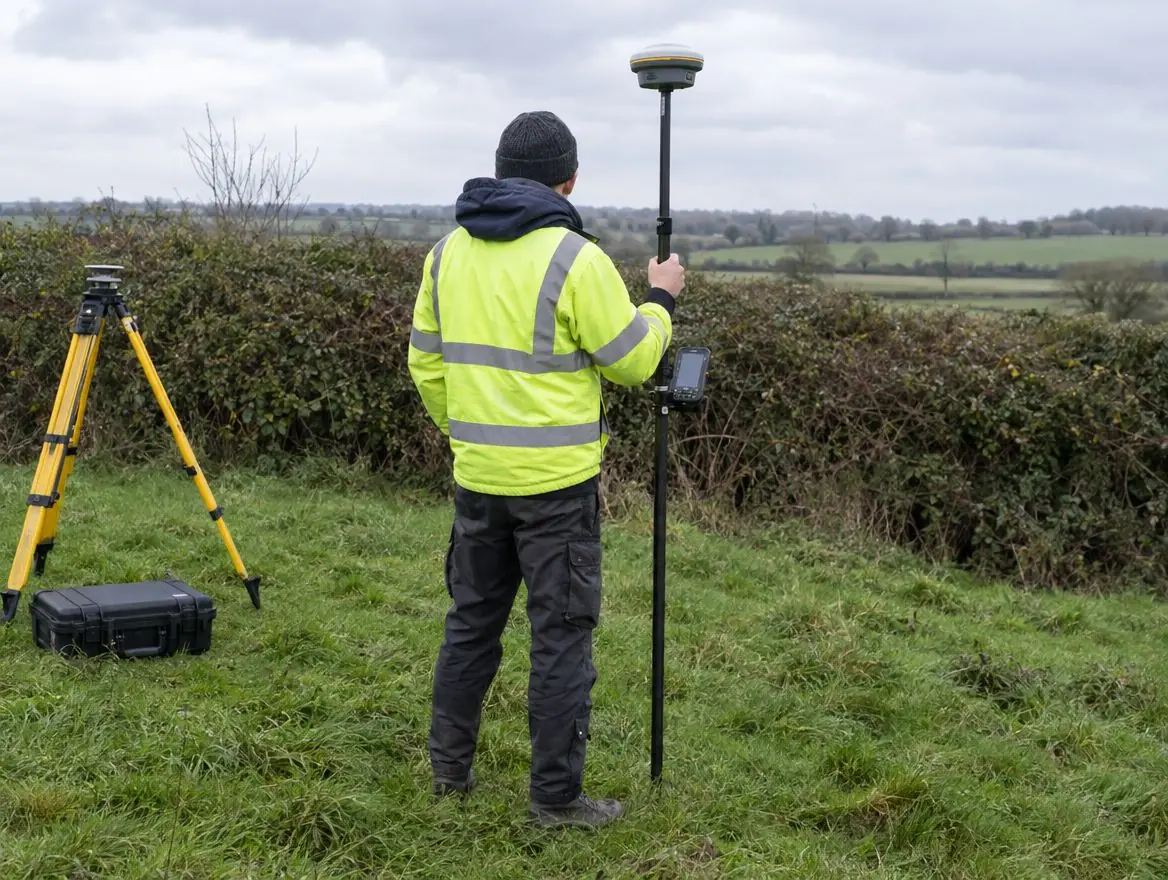
Subject-to-planning sale
Exchange now, complete when planning permission is granted.
How it works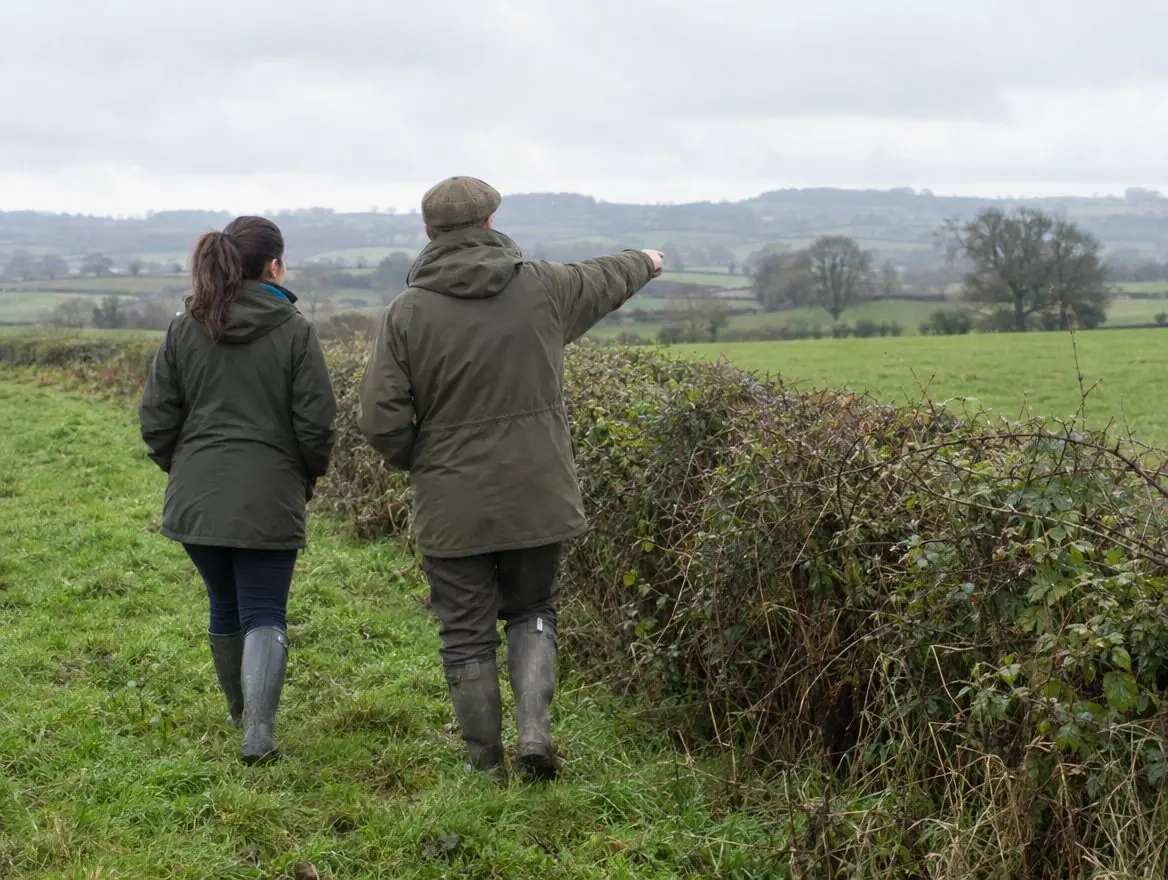
Option agreements
We pay for the right to buy later and fund the planning work meanwhile.
How it works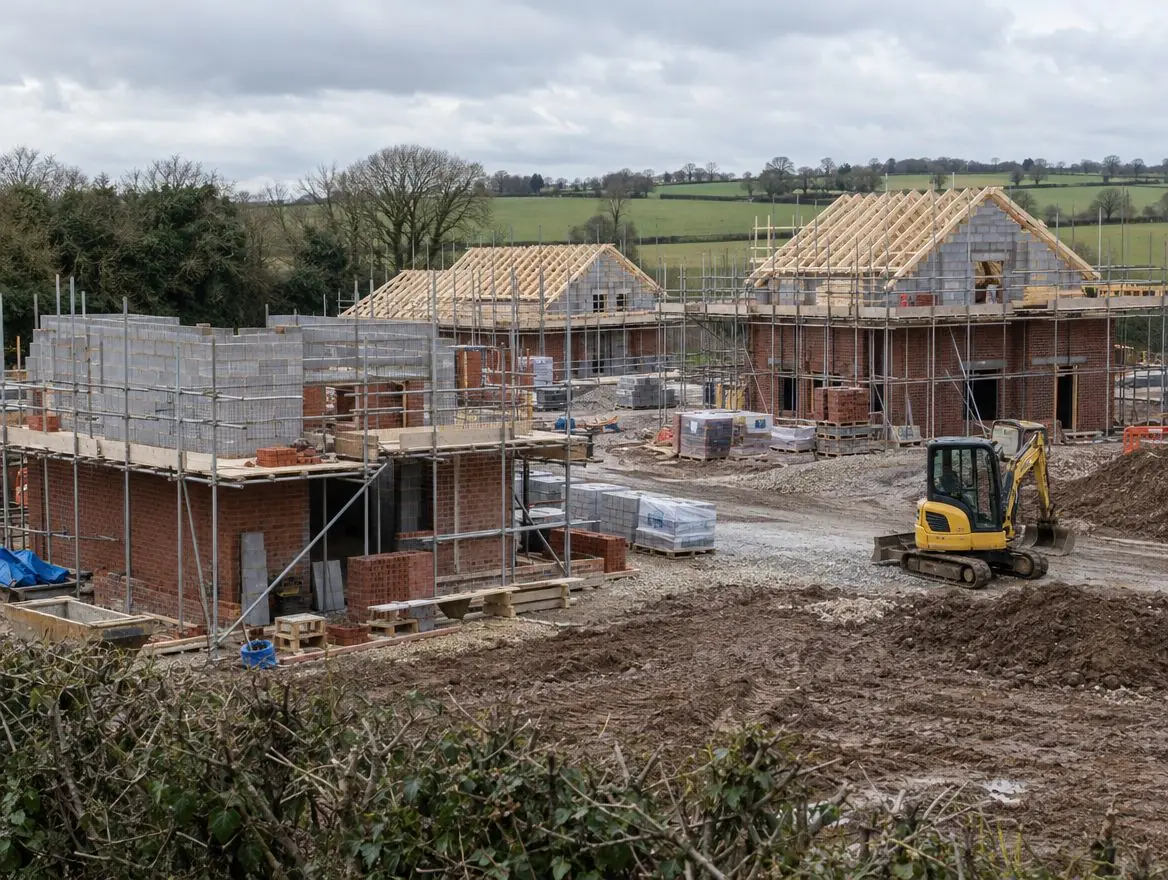
Joint ventures
You keep a stake in the land and share in the value of the homes built on it.
How it worksHow to choose
Start with planning. If your land already has permission, an outright sale is usually simplest. If it could get permission within months, a subject-to-planning contract shares the risk fairly. If it needs a local plan allocation or a large application, an option is the usual route. If you want to share in the value of the homes themselves, ask about a joint venture.
Then think about timing and risk. The routes that pay more pay later and depend on outcomes nobody can guarantee. Whatever you choose, take independent legal advice and, for the more complex routes, advice from a land agent and an accountant.
Find out what we'd pay for your land
Send us the postcode and a rough size. We'll check the title and planning position and come back with a straight answer.