
Sell inherited or probate land
Inherited land is land that has passed, or is passing, to someone under a will or the rules of intestacy. Executors or administrators usually need a grant of representation before they can complete a sale, and all beneficiaries' interests need to be considered.
Selling land from an estate can feel like a lot to manage at a difficult time. We keep the process clear, work with your solicitor and don't rush you.
- Free appraisal and written offer
- No pressure to decide
- Independent advice encouraged
Get an offer for your land
Send the postcode and a rough size. We'll come back with a straight answer.
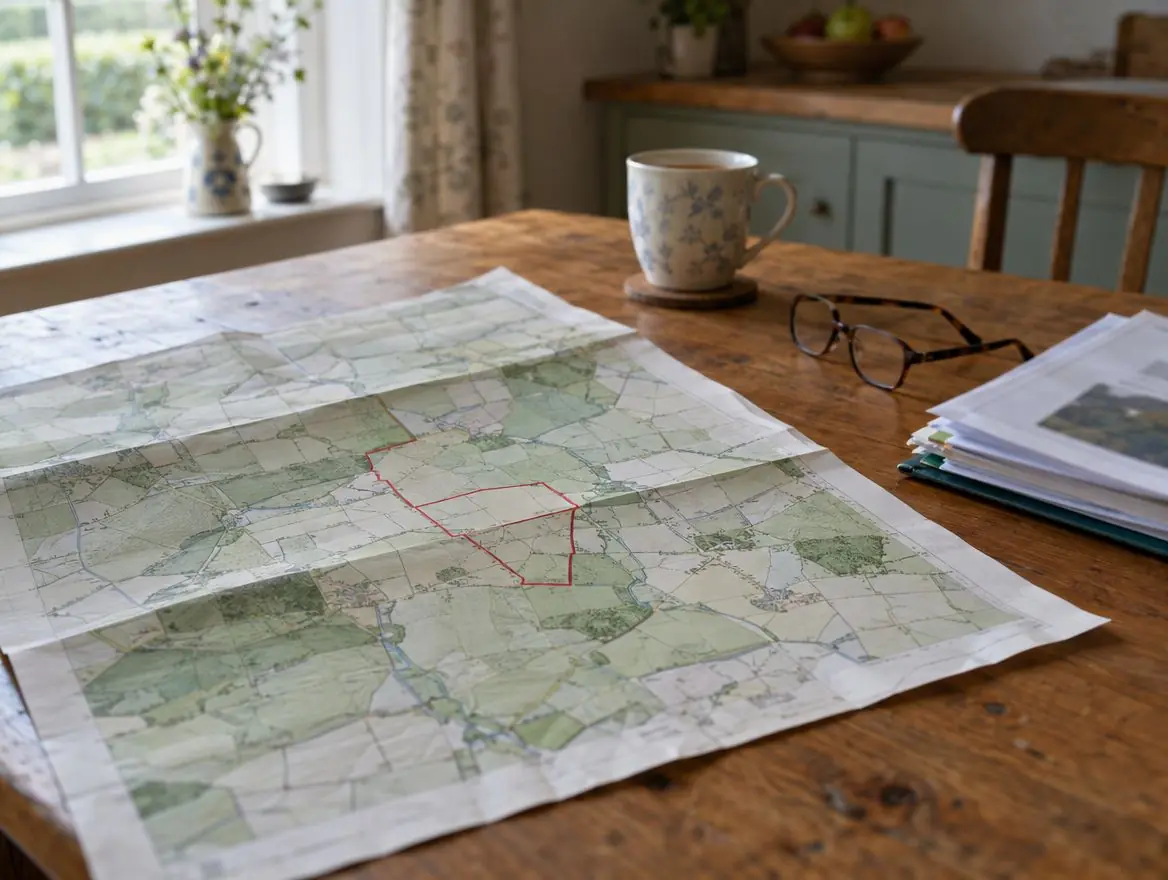
What we look for
- Fields, paddocks and plots left in a will
- Land held by executors or administrators
- Land shared between several family members
- Unregistered land with old deeds
- Land let to a farmer or used for grazing
- Plots and gardens attached to a property being sold
- Land where the family disagrees about what to do
Executors have a duty to get a fair price. We explain our offer in writing so you can compare it with independent advice and show beneficiaries how it was reached.
What affects the price of inherited land
Grant of representation
A sale can usually only complete once probate or letters of administration are granted.
Title
Unregistered titles need first registration, which adds time.
Beneficiaries
Everyone entitled needs to be considered, and trustees must act in their interests.
Occupation
Tenants or informal users affect timing and price.
Inheritance tax
Tax due on the estate can make timing important, so speak to the estate's adviser.
Planning potential
Inherited land near settlements may have value the family hasn't considered.
Overage
Executors sometimes prefer a lower price now with a share of future uplift.
Ways to sell inherited land
Land in an estate is often unregistered, shared between several people or used informally by neighbours. None of that stops a sale, but it does shape the timetable.
Outright purchase
A clean, certain sale that lets the estate be wound up.
Subject-to-planning sale
Possible if beneficiaries are happy to wait for a higher price.
Option agreements
Can suit families who want to hold on while planning is explored.
Joint ventures
Rare for estates, but possible where family members wish to stay involved.
When the land isn't straightforward
Probate hasn't been granted yet
We can agree terms and start the legal work so the sale is ready when the grant arrives.
Beneficiaries disagree
A written offer with a clear basis helps everyone see the facts. Each beneficiary can take their own advice.
The deeds can't be found
Missing deeds can be dealt with through first registration with supporting evidence. Your solicitor will guide this.
What happens next
Tell us about your land
Send the address or postcode, a rough size and anything you know about planning. A plan or a photo helps but isn't essential.
We check it properly
We look at the title, planning history, access, flood maps and local policy, then call you to talk it through.
You get a written offer
We put the offer in writing with the main figures behind it, so you or your adviser can check it. There's no obligation and no deadline we impose.
Solicitors do the legal work
Your solicitor and ours deal with the contract. On an outright sale we exchange and complete; on a conditional deal we exchange now and complete when the condition is met.
England and Wales: what's different
We buy land in both countries. These are the rules most likely to affect inherited land.
England
Land registration
Land in England is registered with HM Land Registry. Unregistered land needs first registration when it's sold, which your solicitor arranges.
Tax on the sale
The buyer pays Stamp Duty Land Tax. As the seller you may owe capital gains tax, and some commercial land carries VAT. Take advice from an accountant.
Wales
Land registration
HM Land Registry covers Wales as well as England. Unregistered land needs first registration when it's sold.
Tax on the sale
In Wales the buyer pays Land Transaction Tax rather than Stamp Duty. As the seller you may owe capital gains tax. Take advice from an accountant.
Questions about inherited land
Can executors sell land before probate is granted?
They can agree a sale and start the legal work, but most solicitors won't exchange contracts until the grant is issued, and completion needs it.
Do all beneficiaries have to agree?
Executors make the decision, but they must act in the beneficiaries' interests. Many involve beneficiaries to avoid disputes. Take legal advice if there's disagreement.
Is there tax to pay when inherited land is sold?
Inheritance tax may apply to the estate, and capital gains tax may apply to any rise in value after death. Speak to the estate's accountant or solicitor.
What if the land is unregistered?
It can still be sold. The title will be registered as part of the sale, which adds some time.
Can you deal with our solicitor directly?
Yes. Once you instruct a solicitor, we can work through them.
Will you pressure us to decide quickly?
No. Take the time you need and take independent advice.
Related guides
Inherited and probate land by county
England
- Bedfordshire
- Berkshire
- Bristol
- Buckinghamshire
- Cambridgeshire
- Cheshire
- Cornwall
- Cumbria
- Derbyshire
- Devon
- Dorset
- County Durham
- East Riding of Yorkshire
- East Sussex
- Essex
- Gloucestershire
- Greater London
- Greater Manchester
- Hampshire
- Herefordshire
- Hertfordshire
- Isle of Wight
- Kent
- Lancashire
- Leicestershire
- Lincolnshire
- Merseyside
- Norfolk
- North Yorkshire
- Northamptonshire
- Northumberland
- Nottinghamshire
- Oxfordshire
- Rutland
- Shropshire
- Somerset
- South Yorkshire
- Staffordshire
- Suffolk
- Surrey
- Tyne and Wear
- Warwickshire
- West Midlands
- West Sussex
- West Yorkshire
- Wiltshire
- Worcestershire
Wales
Find out what we'd pay for your land
Send us the postcode and a rough size. We'll check the title and planning position and come back with a straight answer.