
Sell a paddock or equestrian land in Cambridge
If you want to sell a paddock or equestrian land in Cambridge, you can deal with the buyer directly. We look at the land, explain what it's worth and why, and leave the decision with you.
Paddock land is a small enclosed field used for grazing or keeping horses, often close to houses. Paddocks next to villages and towns can have development potential, which is why they often sell for more than ordinary grazing land.
- Free appraisal and written offer
- No commission: we're the buyer
- Figures explained, so you can check them
Get an offer for land in Cambridge
Send the postcode and a rough size.
Where Cambridge sits
From Cambridge, it's 12 miles to St Ives and 13 miles to Newmarket. We buy land across that whole stretch of Cambridgeshire, not only within the town.
Flat arable fenland in the north contrasts with a fast-growing Cambridge area in the south, where the Cambridge green belt surrounds the city.
| Town | Cambridge |
|---|---|
| County | Cambridgeshire |
| Country | England |
| Postcode district | CB21 |
| OS grid square | TL45 |
| Nearest towns we cover | St Ives (12 mi), Newmarket (13 mi), Ely (15 mi) |
| Distance from Peterborough | About 30 miles south-east |
| Planning system | National Planning Policy Framework and local plan |
| Ways to sell | Outright, subject to planning, option or joint venture |
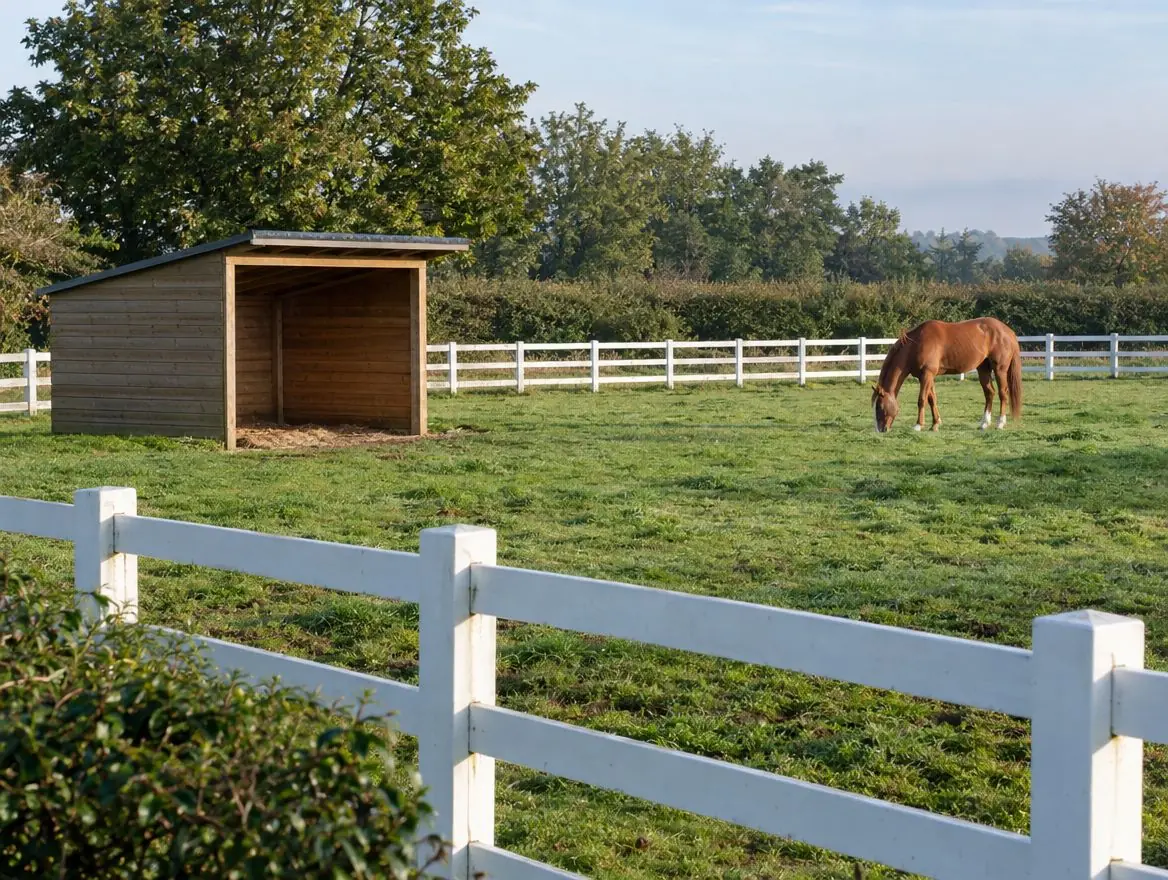
Land we're keen to see around Cambridge
- Grazing land with a gate onto a public road
- Land behind houses with a shared or private access
- Pony paddocks no longer needed by the family
- Equestrian yards with buildings that could be redeveloped
Paddocks often sit right on the edge of villages, which can make them some of the most interesting small sites for new homes.
How we arrive at a figure for land in Cambridgeshire
Position
A paddock next to houses has far more potential than one in open countryside.
Access width
Access needs to be wide enough for a road if homes are to be built.
Neighbours' views
Overlooking and outlook affect what layout a council will accept.
Drainage
Paddocks without mains drainage nearby can be costly to connect.
Ways to sell this land
Outright purchase
A clean sale reflecting grazing and any hope value.
Subject-to-planning sale
We complete once homes are approved on the paddock.
Option agreements
Useful where the paddock could form part of a wider site.
Joint ventures
Suits owners of larger equestrian yards with redevelopment potential.
From first call to completion
Send us the address
A postcode, a plan or a what3words location is enough to start.
We check it properly
Title, planning history, access, flood maps and local policy.
We put an offer in writing
It shows how we got there. There's no obligation to accept.
The legal work
Your solicitor and ours handle the contract through to completion.
What England's rules mean for your land
Planning framework
Planning decisions in England follow the National Planning Policy Framework, revised in August 2026, and the local plan, prepared by the council or, in a national park, the park authority. Plans are reviewed periodically, which is when new housing sites are usually allocated.
Farm tenancies
Agricultural Holdings Act tenancies and farm business tenancies have their own notice and compensation rules, which affect when land can be developed.
Land registration
Land in England is registered with HM Land Registry. Unregistered land needs first registration when it's sold, which your solicitor arranges.
Common problems, and how we handle them
The only access is a narrow track
We measure what's there and see if it can be widened or combined with neighbouring land.
A neighbour has used the field informally
Long informal use can raise questions about rights. Your solicitor will check this early.
Useful to send us
- The address or postcode
- A rough size, in acres or hectares
- Photos of the land and its access
- How soon you'd ideally like to sell
Common questions
Is my paddock worth more than agricultural land?
Often, because paddocks are close to houses. How much more depends on access, planning policy and whether homes could realistically be built.
Will you buy the stables too?
Yes. We buy the whole site as it stands, including buildings and fencing, unless you'd like to keep something.
What if the paddock is landlocked?
Landlocked paddocks are worth less, but can still be valuable to an adjoining owner or as part of a wider scheme.
Can you visit land near Cambridge?
Yes. Once we've looked at the title and planning position, we arrange a site visit if the land looks suitable. Send the address or postcode to start.
More land we buy in Cambridge
- Development land
- Land with planning permission
- Land without planning permission
- Large strategic sites
- Green belt and grey belt land
- Land for affordable homes
- Farmland and agricultural land
- Barns and rural buildings
- Building plots
- Garden land and backland
- Infill plots and gap sites
- Small sites
- Garage sites
- Brownfield land
- Redundant commercial and industrial land
- Inherited and probate land
- Landlocked land and access problems
- Outright purchase
- Subject-to-planning sale
- Option agreements
- Joint ventures
- All land in Cambridge
- Paddocks and equestrian land in Cambridgeshire
Ready to talk about your land in Cambridge?
A free appraisal tells you what we'd pay and why.