
Overage and clawback explained
Overage, also called clawback, is a promise by the buyer to pay you an extra sum if the land gains planning permission or is developed after you sell. It lets you accept a lower price today while still sharing in future uplift.
Updated October 2026. General information, not legal or tax advice.
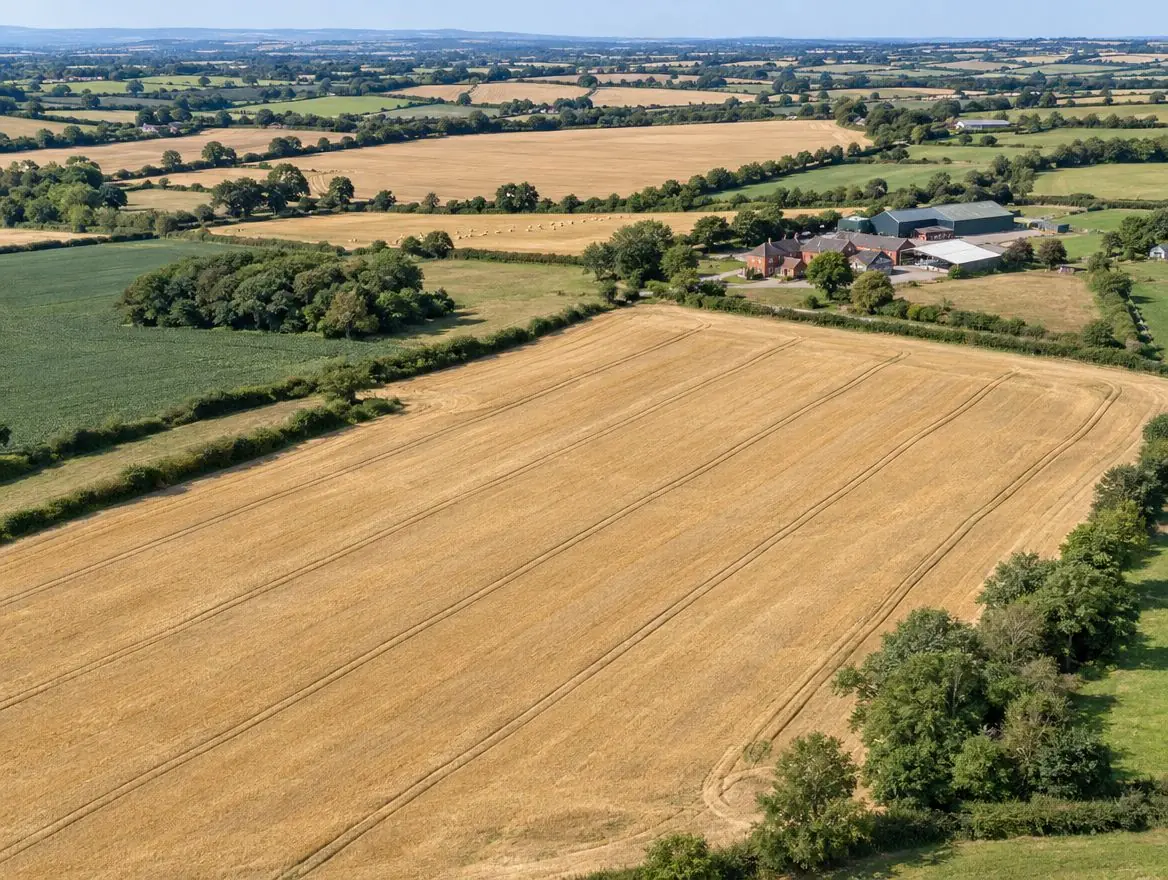
When is overage useful?
When you're selling land at farmland or amenity value but think it might get planning permission one day. Overage means that if it does, you share in the uplift.
How is overage calculated?
Usually as a percentage of the increase in value caused by a planning permission or development, payable when the trigger happens. The percentage and the length of time it applies are negotiated.
What triggers an overage payment?
Common triggers include the grant of planning permission, the start of development, or a sale of the land with permission. The contract should define the trigger precisely.
How is overage protected?
Overage is usually secured with a restriction on the buyer's title, so the land can't be sold on without the new owner taking on the obligation. Your solicitor will advise on the best protection.
What should I watch for?
Make sure the trigger can't be avoided by clever drafting, such as permission for a slightly different use. Check how the uplift is valued and what costs can be deducted. Take legal advice before agreeing.
This guide is general information for landowners in England and Wales. It isn't legal, tax or financial advice. Take advice from a solicitor, surveyor or accountant about your own situation.