
Selling inherited land: a guide for executors
Executors can agree a sale of inherited land before probate is granted, but most solicitors won't exchange contracts until the grant of representation is issued, and completion needs it. Executors must act in the beneficiaries' interests and should get independent advice on value.
Updated October 2026. General information, not legal or tax advice.
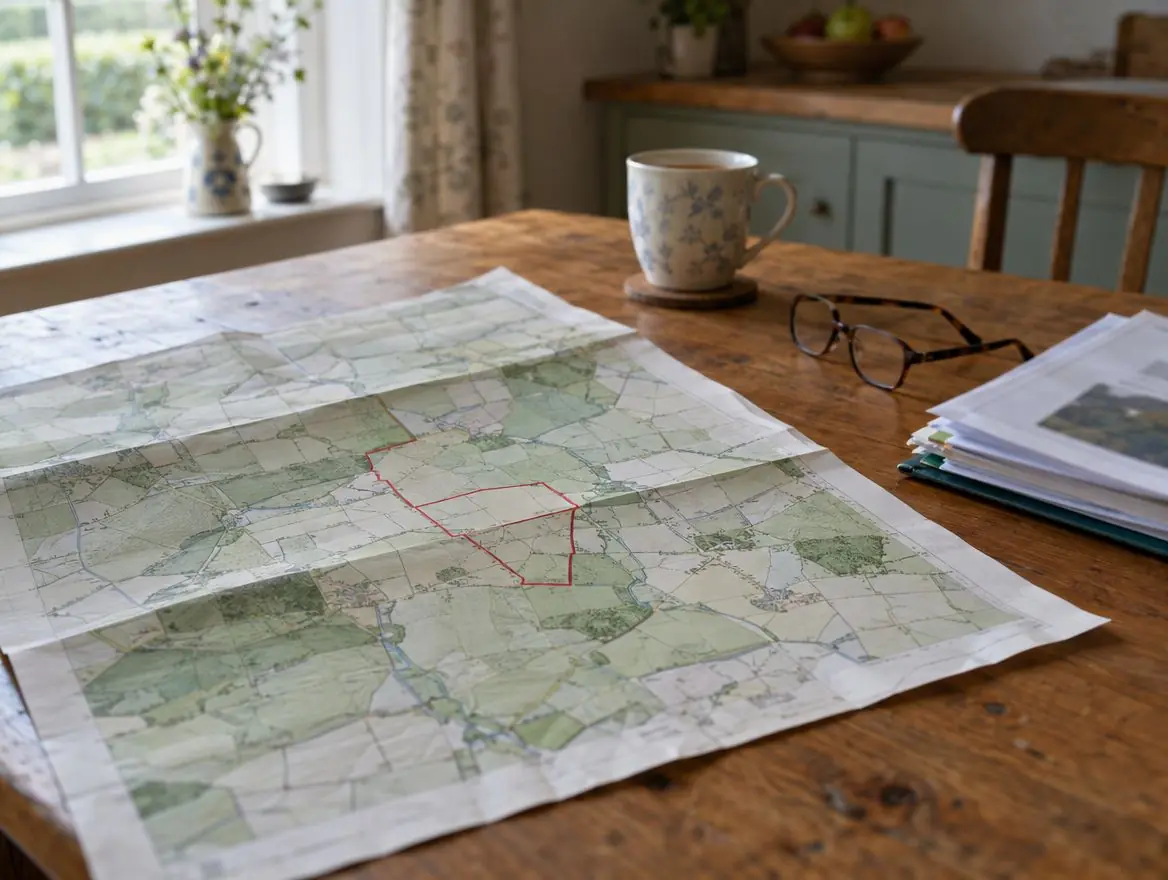
When can executors sell land?
Executors can market land, agree a price and start the legal work early. Exchange and completion usually wait for the grant of probate or letters of administration.
Do beneficiaries have to agree?
Executors make the decision but owe duties to the beneficiaries. Explaining the offer and the reasons for accepting it helps avoid disputes. If beneficiaries disagree, take legal advice.
What if the land is unregistered?
Older family land is often unregistered. It can still be sold, with first registration as part of the sale. Your solicitor will need the deeds, or other evidence of ownership if they're missing.
What taxes might apply?
Inheritance tax may be due on the estate. Capital gains tax may apply to any increase in value since the date of death. Speak to the estate's solicitor or accountant before agreeing a sale.
How do executors show they got a fair price?
A written offer explaining how it was reached, plus an independent valuation, gives beneficiaries confidence. We provide ours in writing for exactly that reason.
This guide is general information for landowners in England and Wales. It isn't legal, tax or financial advice. Take advice from a solicitor, surveyor or accountant about your own situation.