
Sell land subject to planning in Dunstable
If you own land in or around Dunstable, subject-to-planning sale is one of four ways you can sell it to us. Here's how it works and when it makes sense.
This route suits most building plots, garden land and small sites, where the planning process can be measured in months rather than years.
- No commission: we're the buyer
- Independent advice encouraged
- We fund the planning work
Tell us about your land
Free, no-obligation appraisal.
Where Dunstable sits
Our appraisals for Dunstable start with the LU6 postcode district and the OS grid square TL02, then widen out to Luton, Leighton Buzzard and Flitwick, all within about 8 miles.
| Town | Dunstable |
|---|---|
| County | Bedfordshire |
| Country | England |
| Postcode district | LU6 |
| OS grid square | TL02 |
| Nearest towns we cover | Luton (5 mi), Leighton Buzzard (6 mi), Flitwick (8 mi) |
| Distance from Luton | About 5 miles west |
| Planning system | National Planning Policy Framework and local plan |
| When you're paid | On completion, after permission is granted |
| Planning costs | Ours |
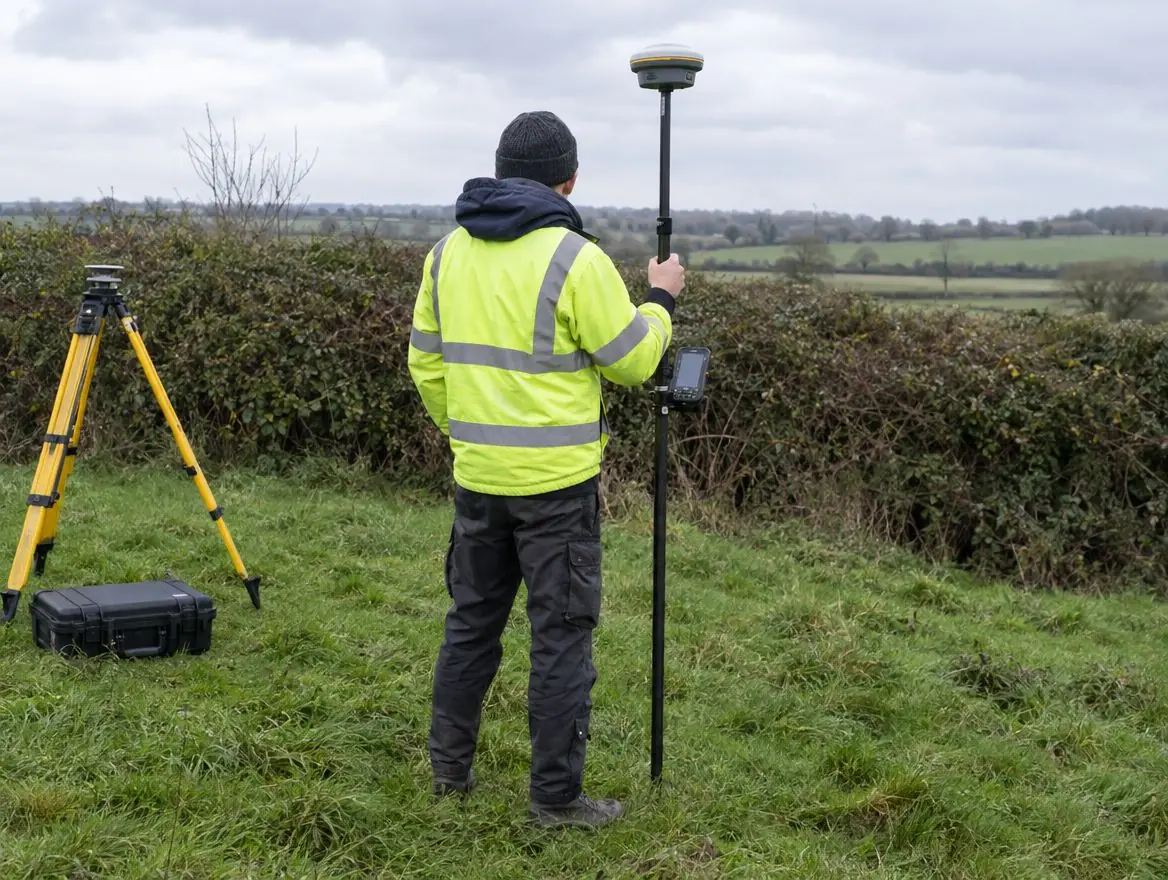
Is a subject-to-planning sale right for your land?
- Small sites with a clear planning case
- Land where a previous permission has lapsed
- Brownfield sites needing a housing permission
- Sites where the planning period can be agreed in advance
If your land has a good chance of permission but doesn't have it yet, a subject-to-planning deal usually achieves more than an outright sale.
What to check in a subject-to-planning sale
Price basis
The price is set against the land's value with permission, so it's usually higher than an unconditional offer.
Long-stop date
If permission isn't granted by an agreed date, either side can end the contract.
Deposit
A deposit is usually paid on exchange and held until completion.
Price adjustments
Some contracts adjust the price for the number of homes approved.
Land near Dunstable that a subject-to-planning sale suits
Development land in Dunstable
Lets you lock in a price now that is paid once we secure permission.
Land without planning permission in Dunstable
We exchange contracts now and complete once permission is granted.
Green belt and grey belt land in Dunstable
Suits brownfield green belt sites where a scheme can be tested quickly.
Infill plots and gap sites in Dunstable
The usual route for unconsented gap sites.
What happens next
Send us the address
A postcode, a plan or a what3words location is enough to start.
We do the homework
We read the title and planning record and check flood risk and access.
You get a written offer
With the main figures behind it, so your adviser can check it.
The legal work
Your solicitor and ours handle the contract through to completion.
Rules that apply in England
Planning framework
Planning decisions in England follow the National Planning Policy Framework, revised in August 2026, and the local plan, prepared by the council or, in a national park, the park authority. Plans are reviewed periodically, which is when new housing sites are usually allocated.
Section 106 and CIL
Larger schemes often need a Section 106 agreement for affordable housing or contributions, and councils that have adopted the Community Infrastructure Levy charge it per square metre of new floorspace.
Common problems, and how we handle them
You want to know what 'acceptable' permission means
The contract defines it, such as a minimum number of homes. Your solicitor should check it carefully.
You're worried we'll get permission for something you don't like
The contract can set out the scheme or limits on what we apply for.
Useful to send us
- The address or postcode
- A plan, or a screenshot from an online map
- Details of any tenants or grazing agreements
- Photos of the land and its access
What people ask us about a subject-to-planning sale
Who pays for the planning application?
We do, along with the surveys and consultants needed to support it.
Do I get a deposit?
A deposit is usually paid on exchange, with terms set out in the contract.
How long does the planning stage take?
In England the statutory period is eight weeks for most applications and thirteen for major ones; in Wales it's eight weeks. Both extend to sixteen weeks where an environmental impact assessment is needed, and surveys, validation and negotiation often add time.
Can you visit land near Dunstable?
Yes. Once we've looked at the title and planning position, we arrange a site visit if the land looks suitable. Send the address or postcode to start.
Also near Dunstable
More land we buy in Dunstable
- Development land
- Land with planning permission
- Land without planning permission
- Large strategic sites
- Green belt and grey belt land
- Land for affordable homes
- Farmland and agricultural land
- Paddocks and equestrian land
- Barns and rural buildings
- Building plots
- Garden land and backland
- Infill plots and gap sites
- Small sites
- Garage sites
- Brownfield land
- Redundant commercial and industrial land
- Inherited and probate land
- Landlocked land and access problems
- Outright purchase
- Option agreements
- Joint ventures
- All land in Dunstable
- Subject-to-planning sale in Bedfordshire
Ready to talk about your land in Dunstable?
A free appraisal tells you what we'd pay and why.