
Sell a paddock or equestrian land in Boston
We buy paddock land across Lincolnshire. In Boston, as everywhere, the offer depends on the land itself: its access, its planning prospects and what can sensibly be built.
Paddocks often sit right on the edge of villages, which can make them some of the most interesting small sites for new homes.
- Free appraisal and written offer
- No commission: we're the buyer
- Figures explained, so you can check them
Selling land near Boston?
Free, no-obligation appraisal.
Boston at a glance
The land we're most interested in near Boston sits on the edge of the built-up area or in the villages towards Spalding (14 miles) and Skegness (19 miles).
A large arable county with the Lincolnshire Wolds National Landscape and wide low-lying areas where flood risk guides new building.
| Town | Boston |
|---|---|
| County | Lincolnshire |
| Country | England |
| Postcode district | PE21 |
| OS grid square | TF34 |
| Nearest towns we cover | Spalding (14 mi), Skegness (19 mi), Wisbech (23 mi) |
| Distance from Lincoln | About 27 miles south-east |
| Planning system | National Planning Policy Framework and local plan |
| Ways to sell | Outright, subject to planning, option or joint venture |
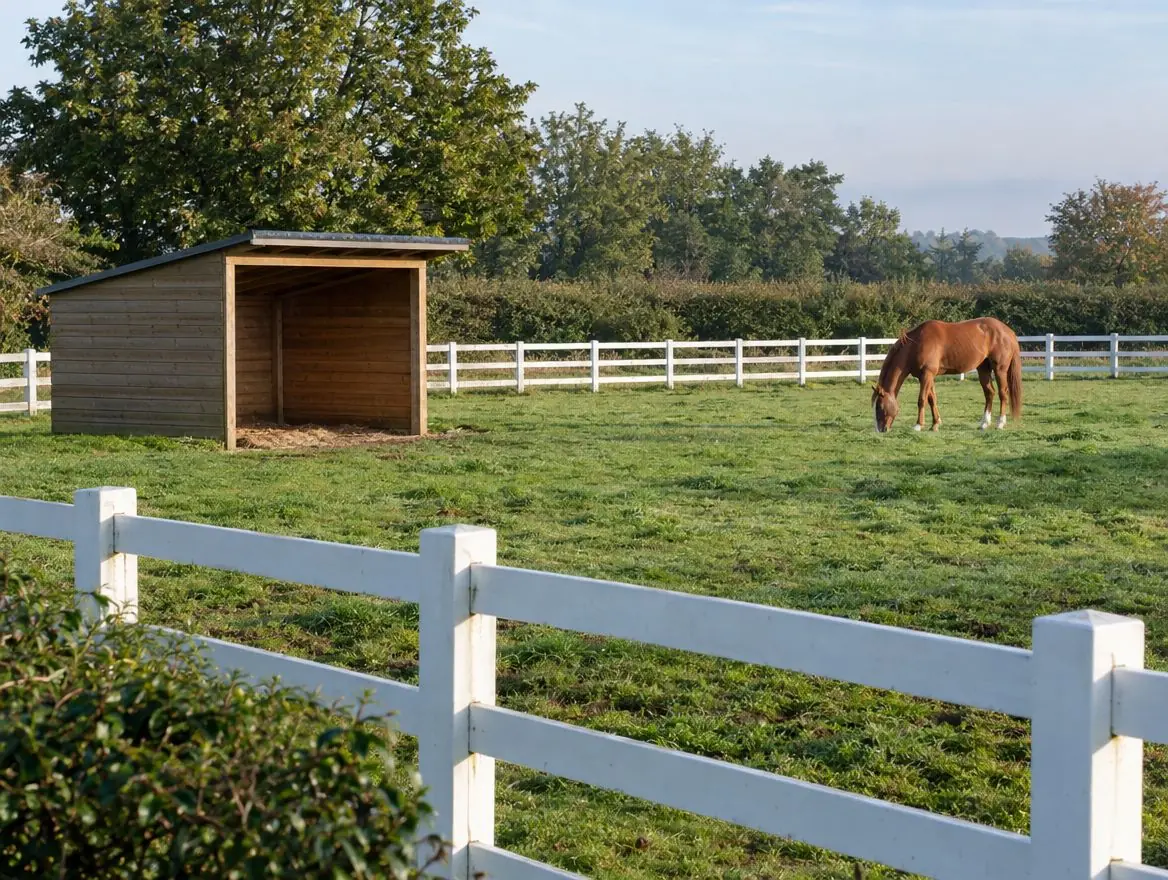
What we look for around Boston
- Paddocks adjoining village or town housing
- Paddocks with stables, field shelters or hardstanding
- Land behind houses with a shared or private access
- Equestrian yards with buildings that could be redeveloped
Paddocks often sit right on the edge of villages, which can make them some of the most interesting small sites for new homes.
The things that move our offer
Existing buildings
Stables and hardstanding may count as previously developed land in some cases.
Change of use history
Equestrian use may already have needed planning permission; we check the record.
Drainage
Paddocks without mains drainage nearby can be costly to connect.
Amenity value
Without a planning prospect, neighbours may pay a premium for a paddock adjoining their garden.
Four routes to a sale
Outright purchase
A clean sale reflecting grazing and any hope value.
Subject-to-planning sale
We complete once homes are approved on the paddock.
Option agreements
Useful where the paddock could form part of a wider site.
Joint ventures
Suits owners of larger equestrian yards with redevelopment potential.
How a sale works
Tell us about your land
Send the postcode or address and a rough size.
We do the homework
We read the title and planning record and check flood risk and access.
You get a written offer
With the main figures behind it, so your adviser can check it.
The legal work
Your solicitor and ours handle the contract through to completion.
What England's rules mean for your land
Planning framework
Planning decisions in England follow the National Planning Policy Framework, revised in August 2026, and the local plan, prepared by the council or, in a national park, the park authority. Plans are reviewed periodically, which is when new housing sites are usually allocated.
Farm tenancies
Agricultural Holdings Act tenancies and farm business tenancies have their own notice and compensation rules, which affect when land can be developed.
Land registration
Land in England is registered with HM Land Registry. Unregistered land needs first registration when it's sold, which your solicitor arranges.
When the land isn't straightforward
The only access is a narrow track
We measure what's there and see if it can be widened or combined with neighbouring land.
A neighbour has used the field informally
Long informal use can raise questions about rights. Your solicitor will check this early.
Useful to send us
- The address or postcode
- A rough size, in acres or hectares
- Your title number, if you know it
- Details of any tenants or grazing agreements
Your questions answered
Is my paddock worth more than agricultural land?
Often, because paddocks are close to houses. How much more depends on access, planning policy and whether homes could realistically be built.
Do I need planning permission to sell a paddock?
No. You can sell it as it is. Permission only matters to the value and the type of deal.
What if the paddock is landlocked?
Landlocked paddocks are worth less, but can still be valuable to an adjoining owner or as part of a wider scheme.
Do you cover the villages around Boston?
Yes. Villages between Boston, Spalding and Skegness often have the kind of edge-of-settlement land we're looking for.
More land we buy in Boston
- Development land
- Land with planning permission
- Land without planning permission
- Large strategic sites
- Land for affordable homes
- Farmland and agricultural land
- Barns and rural buildings
- Building plots
- Garden land and backland
- Infill plots and gap sites
- Small sites
- Garage sites
- Brownfield land
- Redundant commercial and industrial land
- Inherited and probate land
- Landlocked land and access problems
- Outright purchase
- Subject-to-planning sale
- Option agreements
- Joint ventures
- All land in Boston
- Paddocks and equestrian land in Lincolnshire
Ready to talk about your land in Boston?
Call 0800 088 6248 or send the details. There's no obligation.