
Sell land without planning permission in Plymouth
Whether your land is in Plymouth itself or in the villages between Plymouth and Plymstock, we'll look at it properly before making any offer.
Land without planning permission is any land that has no current consent for building. You can still sell it: either outright at a price that reflects its present use and the chance of permission (hope value), or on a conditional or option basis that pays more if permission is granted.
- Figures explained, so you can check them
- No pressure to decide
- Independent advice encouraged
Selling land near Plymouth?
Free, no-obligation appraisal.
Where Plymouth sits
The land we're most interested in near Plymouth sits on the edge of the built-up area or in the villages towards Plymstock (2 miles) and Saltash (4 miles).
A large rural county with Dartmoor and part of Exmoor, several national landscapes, and growth centred on Exeter, Plymouth and the market towns.
| Town | Plymouth |
|---|---|
| County | Devon |
| Country | England |
| Postcode district | PL2 |
| OS grid square | SX45 |
| Nearest towns we cover | Plymstock (2 mi), Saltash (4 mi), Paignton (26 mi) |
| Planning system | National Planning Policy Framework and local plan |
| Ways to sell | Outright, subject to planning, option or joint venture |
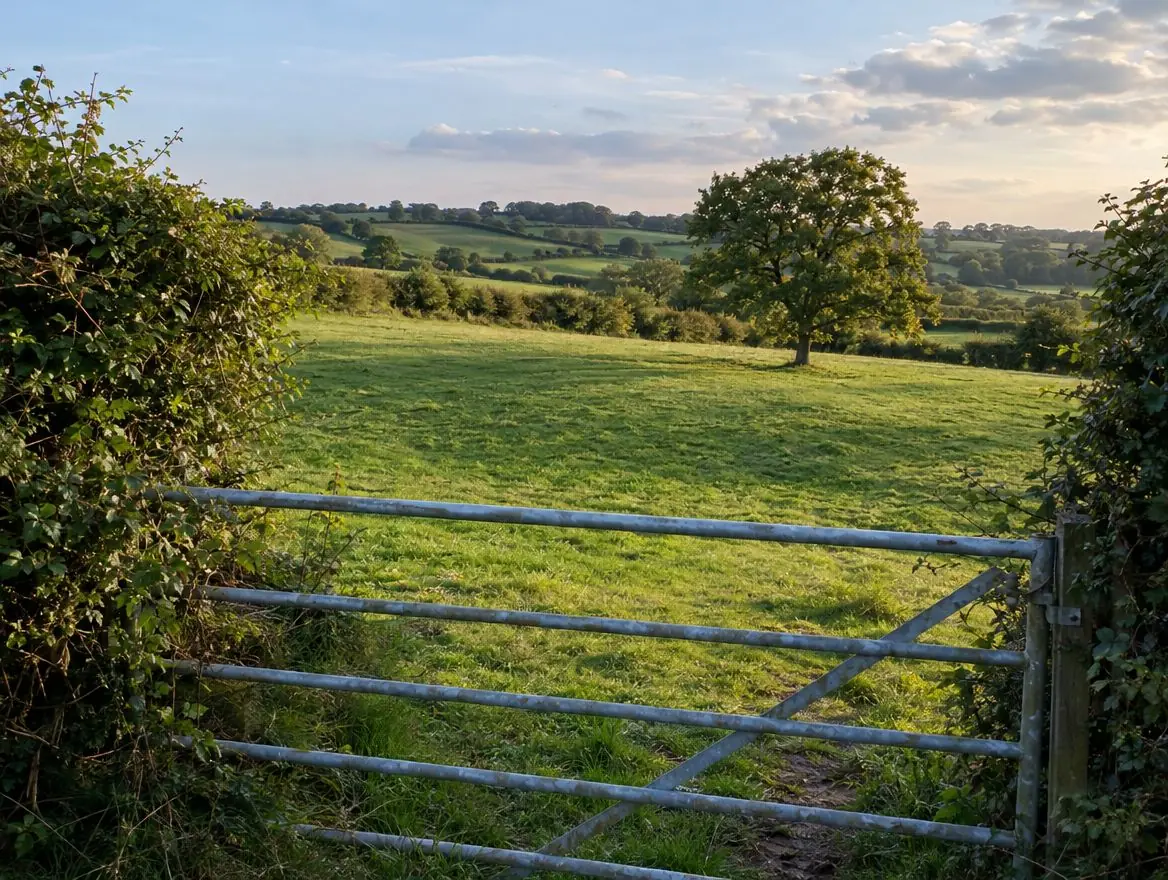
What we look for around Plymouth
- Land inside or touching a settlement boundary in the local plan
- Sites the council has assessed in its land availability study
- Former orchards, nurseries and smallholdings
- Land where neighbouring sites have recently gained permission
If you'd rather not wait for planning, an outright sale gives certainty now. If you can wait, a subject-to-planning or option deal usually pays more in the end.
How we arrive at a figure for land in Devon
Hope value
The extra a buyer will pay for the chance of permission, which rises the closer the land is to existing homes.
Local plan position
Land allocated, or close to being allocated, for housing carries far more hope value.
Planning history
Past refusals and appeal decisions on the site and its neighbours shape the odds.
Access and services
Land that is easy to reach and connect is cheaper to promote and build on.
Choosing how to sell
Outright purchase
Certainty now, at a price that reflects the planning risk we take on.
Subject-to-planning sale
We exchange contracts now and complete once permission is granted.
Option agreements
We pay for the right to buy later and fund the planning work meanwhile.
Joint ventures
You keep a stake and share in the value planning creates.
From first call to completion
Send us the address
A postcode, a plan or a what3words location is enough to start.
We do the homework
We read the title and planning record and check flood risk and access.
We put an offer in writing
It shows how we got there. There's no obligation to accept.
The legal work
Your solicitor and ours handle the contract through to completion.
What England's rules mean for your land
Planning framework
Planning decisions in England follow the National Planning Policy Framework, revised in August 2026, and the local plan, prepared by the council or, in a national park, the park authority. Plans are reviewed periodically, which is when new housing sites are usually allocated.
Green belt and grey belt
Green belt land is protected from inappropriate development. National policy in England also recognises 'grey belt': green belt land that doesn't strongly contribute to key green belt purposes, where housing can be acceptable if further tests are met.
Farm tenancies
Agricultural Holdings Act tenancies and farm business tenancies have their own notice and compensation rules, which affect when land can be developed.
Awkward details we deal with
The council says the land is outside the settlement
Settlement boundaries change when plans are reviewed. We look at the plan timetable and whether the site could be promoted at the next review.
A neighbour objects to everything
Objections are weighed against planning policy, not counted. We judge the scheme on policy grounds.
Useful to send us
- Your title number, if you know it
- Any planning applications or letters
- Photos of the land and its access
- How soon you'd ideally like to sell
Your questions answered
What is hope value?
Hope value is the premium a buyer pays above the current use value because there is a realistic prospect of planning permission. It is higher the more likely and closer that permission is.
Who pays for the planning application?
On subject-to-planning and option deals we normally fund the planning work. On an outright purchase it is our risk and our cost after completion.
Will getting permission myself increase the price?
It can, but applications cost money and carry risk. We can talk through whether it makes sense for you to apply or for us to do it under a contract.
Do you cover the villages around Plymouth?
Yes. Villages between Plymouth, Plymstock and Saltash often have the kind of edge-of-settlement land we're looking for.
Also near Plymouth
Other land types and routes
- Development land
- Land with planning permission
- Large strategic sites
- Land for affordable homes
- Farmland and agricultural land
- Paddocks and equestrian land
- Barns and rural buildings
- Building plots
- Garden land and backland
- Infill plots and gap sites
- Small sites
- Garage sites
- Brownfield land
- Redundant commercial and industrial land
- Inherited and probate land
- Landlocked land and access problems
- Outright purchase
- Subject-to-planning sale
- Option agreements
- Joint ventures
- All land in Plymouth
- Land without planning permission in Devon
Find out what we'd pay for your land near Plymouth
A free appraisal tells you what we'd pay and why.