
Sell barns and rural buildings in Lincolnshire
We buy barns and rural buildings across Lincolnshire, including around Lincoln, Grimsby and Scunthorpe. You deal with the buyer directly and there's no commission to pay.
We look at traditional barns and modern agricultural buildings, check the planning options and make an offer that reflects the realistic route.
- Free appraisal and written offer
- No commission: we're the buyer
- No pressure to decide
Get an offer for land in Lincolnshire
Send the postcode and a rough size.
Barns and rural buildings in Lincolnshire at a glance
A large arable county with the Lincolnshire Wolds National Landscape and wide low-lying areas where flood risk guides new building.
| County | Lincolnshire |
|---|---|
| Country | England |
| Towns we cover here | 10 |
| Main town | Lincoln |
| Example postcode districts | DN15, DN21, DN32, DN35, LN2 |
| Planning system | National Planning Policy Framework and local plan |
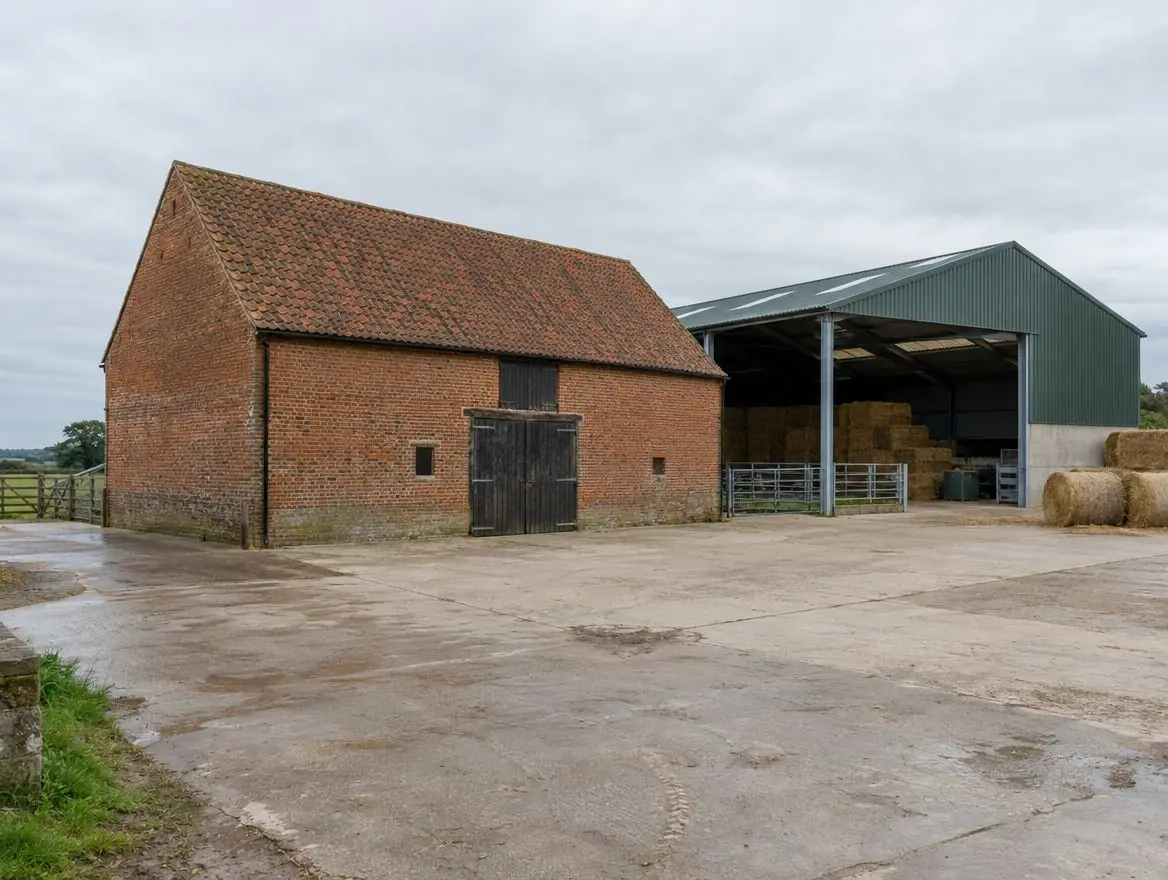
What we look for in Lincolnshire
- Traditional brick, stone or timber barns
- Modern steel-framed agricultural buildings no longer needed
- Buildings with Class Q prior approval in place
- Former agricultural buildings in or near villages
- Redundant poultry, dairy or livestock units
A yard of old buildings can become a small group of homes. We'll tell you which buildings are worth converting and which are better replaced.
What decides the value of barns and rural buildings in Lincolnshire
Planning route
Full planning and, in England, Class Q prior approval follow different rules and limits.
Protected species
Bats and barn owls are common in old barns and surveys may be needed.
Agricultural use history
Class Q rights depend on the building's past agricultural use.
Retained land
Selling buildings from a working farm needs rights carefully reserved.
Choosing how to sell
Redundant farm buildings can be worth far more as homes than as storage. The route to consent depends on the building, its location and whether you're in England or Wales.
Outright purchase
Suits buildings with consent or prior approval already in place.
Subject-to-planning sale
We complete once planning consent is secured.
Option agreements
Less common for single buildings but can suit whole farmyards.
Joint ventures
Worth considering for a larger yard you'd like to see developed well.
How a sale works
Tell us about your land
Send the postcode or address and a rough size.
We do the homework
We read the title and planning record and check flood risk and access.
We put an offer in writing
It shows how we got there. There's no obligation to accept.
The legal work
Your solicitor and ours handle the contract through to completion.
Rules that apply in England
Planning framework
Planning decisions in England follow the National Planning Policy Framework, revised in August 2026, and the local plan, prepared by the council or, in a national park, the park authority. Plans are reviewed periodically, which is when new housing sites are usually allocated.
Agricultural buildings (Class Q)
In England, Class Q permitted development can allow some agricultural buildings to become homes through prior approval, within limits on size and number of homes.
Heritage
Listed buildings and conservation areas are managed with Historic England and the council's conservation team.
Farm tenancies
Agricultural Holdings Act tenancies and farm business tenancies have their own notice and compensation rules, which affect when land can be developed.
When the land isn't straightforward
You're not sure Class Q applies
In England, Class Q has detailed limits and conditions. We check eligibility before assuming it.
The barn is listed
Listed barns can still be converted with consent, but the design must respect the building.
Useful to send us
- The address or postcode
- Any planning applications or letters
- Details of any tenants or grazing agreements
- Photos of the land and its access
Your questions answered
What is Class Q?
Class Q is a permitted development right in England that allows some agricultural buildings to become homes through a prior approval process, rather than a full planning application, subject to limits and conditions.
Will you buy a barn in poor condition?
Yes, but condition affects the planning route and the cost, so it affects the price.
What if bats are present?
Bat roosts don't usually stop a conversion, but they need surveys, licences and timing. We allow for this in the offer.
Do you buy land in Lincolnshire?
Yes. We consider land across Lincolnshire, from Lincoln to the smaller towns and villages. Whether we can make an offer depends on the land itself, and we'll tell you either way.
Barns and rural buildings by town in Lincolnshire
Find out what we'd pay for your land in Lincolnshire
Send the postcode and a rough size and we'll come back with a straight answer.